
TLDR:
Quantum computers are a different from the classical computers we’re used to. Instead of using bits, either 1s or 0s, they use qubits that can be both at once!
Cryptography exists because certain problems are unsolvable with classical computers, however quantum computers solves these breaking cryptography.
For crypto this can lead to wallets becoming hackable, mining becoming centralised, and old lost coins like Satoshi’s Bitcoins being stolen.
But I wouldn’t be scared because the same funding going towards creating quantum computers is going towards solving these problems they create!
This week I’m swinging back to a more crypto-aligned topic, namely Quantum Computing. You hear about it all the time but most people have no real idea of what it is and whether it’s a real threat or not.
This post is also the first time in almost 3.5 years where I had AI help me write it, I wonder if it’s noticeable?
The challenge with AI is that the voice in the text can becoming too same-y, which is why I’ve generally avoided having it write my posts. Yet I’m also a big advocate for using AI as a multiplier for your work, and so it’s way past time that I have AI help me with my weekly posts.
If this post resonates with you and you enjoy the content then please share it with a friend and get rewarded for doing so!

This blog goes out weekly to over 20,000 subscribers. Please message me if you’re interested in sponsorships or partnerships.
Quantum Computing
Quantum computing is a topic that leaves a lot of people scratching their heads. Sure it sounds complicated but what does it actually mean in practice?
Well, first we need to understand classical computing.
Every computer you’ve ever used is a classical computer. Classical computers think in bits, tiny switches that are either a 1 or a 0. Everything they do, no matter how complex, comes down to flipping billions of these 1s and 0s on and off very fast.
Now when we get to quantum computing, the shift is that we’re no longer dealing in the classical realm of physics. We’ve moved one layer deeper into quantum physics.
Here things work differently. Instead of bits you have qubits, and thanks to a property called “superposition” a qubit can be both a 1 and a 0 at the same time. Add “entanglement” into the mix, where qubits become linked so the state of one instantly affects another, and you have a fundamentally different type of machine.
Thanks to these properties quantum computers can manipulate an exponentially large space of possibilities. This allows certain quantum algorithms to acheive exponential speedups for certain specific tasks.
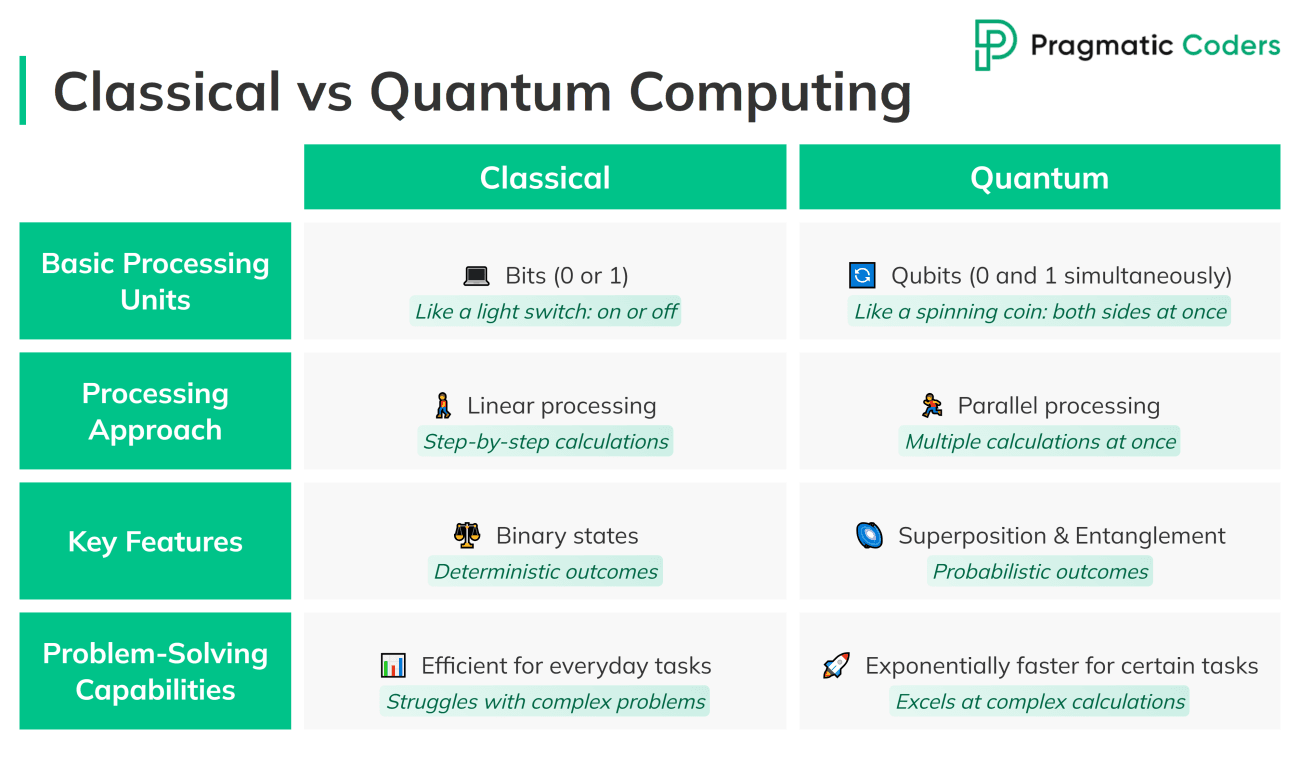
So basically, quantum computers are just a different way to think about computers, that use a deeper layer of physics to work, and are particularly great at solving certain types of problems.
The beauty of them is that they make problems that were once unsolvable now solvable, which will be incredible for technological progress across science, medicine and research.
The problem with them is the mirror opposite of this. By solving these previously unsolvable problems, they can make our current cryptography obsolete.
Cryptography and Encryption
Cryptography is fundamentally the art of creating mathematical problems that are easy to lock but incredibly hard to unlock without the right key. Think of multiplying two enormous prime numbers together. Easy to do, almost impossible to reverse.
These problems are impossible to solve with classical computers, which is exactly where the safety of encryption comes from.
Encryption takes your data, passwords, transactions, private messages, and scrambles them using these kinds of mathematical problems. Only someone with the correct key can unscramble them.
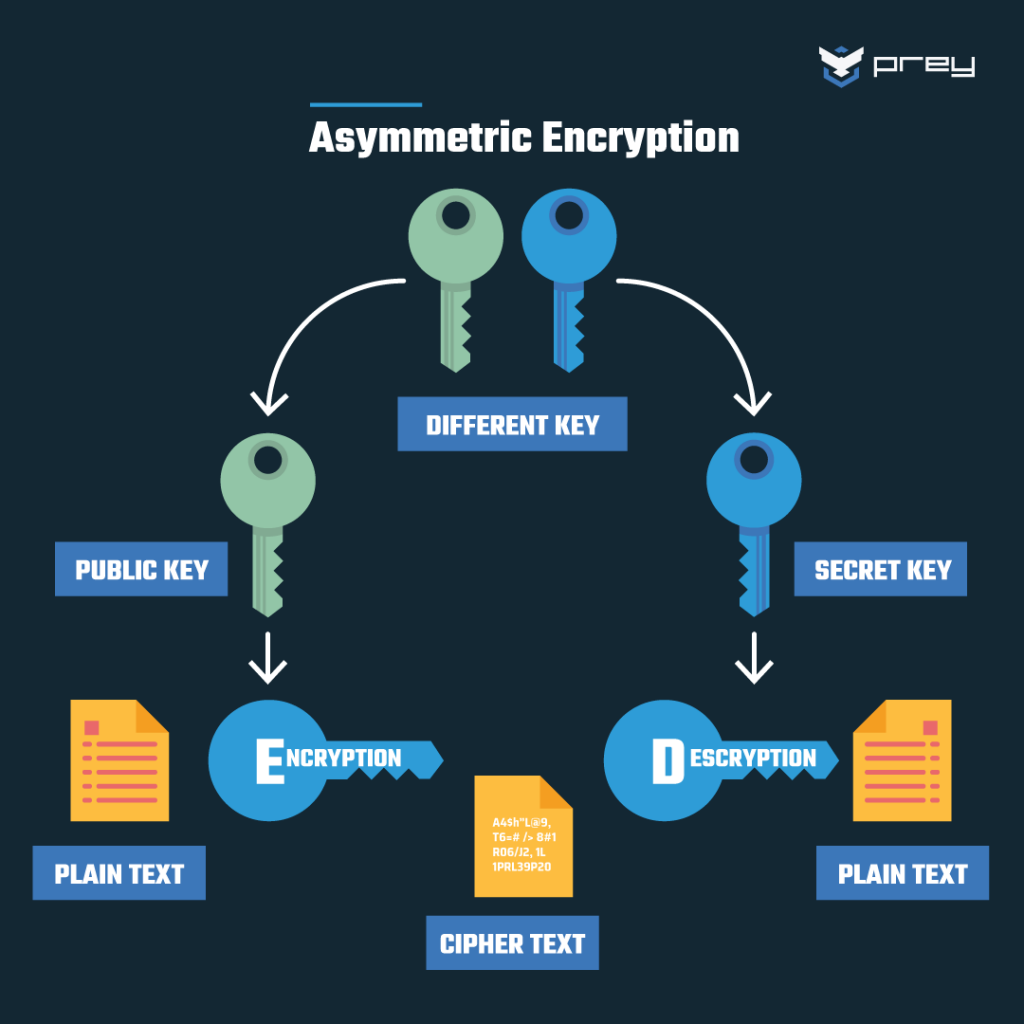
However, as soon as quantum computers exist, these once intractable problems become possible. What previously would have taken classical hardware millions of years to solve, a quantum computer running “Shor’s algorithm” can solve in hours.
The uncrackable becomes crackable.
For a long time this was all just theoretical, a problem postponed into the future. But that future seems to be fast approaching.
In the real world
Quantum computing appears to be moving from science fiction to reality on an accelerated timeline.
Recently both Microsoft and Google have made significant advancements that bring us closer. Google announced a major milestone with their Willow chip in late 2024, and Microsoft followed with progress on their Majorana 1 chip.

Both offer slightly different approaches but have the same end goal to make quantum computers more stable and scalable.
Neither is powerful enough yet to break modern encryption, but the direction of travel is clear and will in fact affect all sorts of things, like the way our passwords are protected, the way data is secured in the cloud, and even more extreme things like codes for nuclear weapons!
Quantum computing fears extend across almost all areas of computer science where security is a question, which is most places!
But that’s a big wide world to cover. Here in my posts we talk mainly about crypto and Web3 (+ AI), so the question is how does this play into crypto and blockchain specifically.
Crypto and Blockchain
When we talk about the risks of quantum in crypto, we’re really talking about a few things like:
(1) Private and public key cryptography. This is what creates crypto addresses and protects our assets. Your wallet security is built on elliptic curve maths that currently can’t be reversed. If your private key is deciphered by a quantum computer, a hacker can take everything in your wallet.
(2) Proof of Work. A Bitcoin miner with access to quantum computing can do calculations far faster than anyone else, take over the majority of hashing power, and ultimately control the chain.
(3) Satoshi’s Bitcoin. Satoshi’s original addresses used an older format that exposes the public key directly, making the private key derivable with a quantum attack. Those wallets hold around one million BTC. Whether Satoshi is still around or not, that much Bitcoin suddenly re-entering circulation would be a significant event.
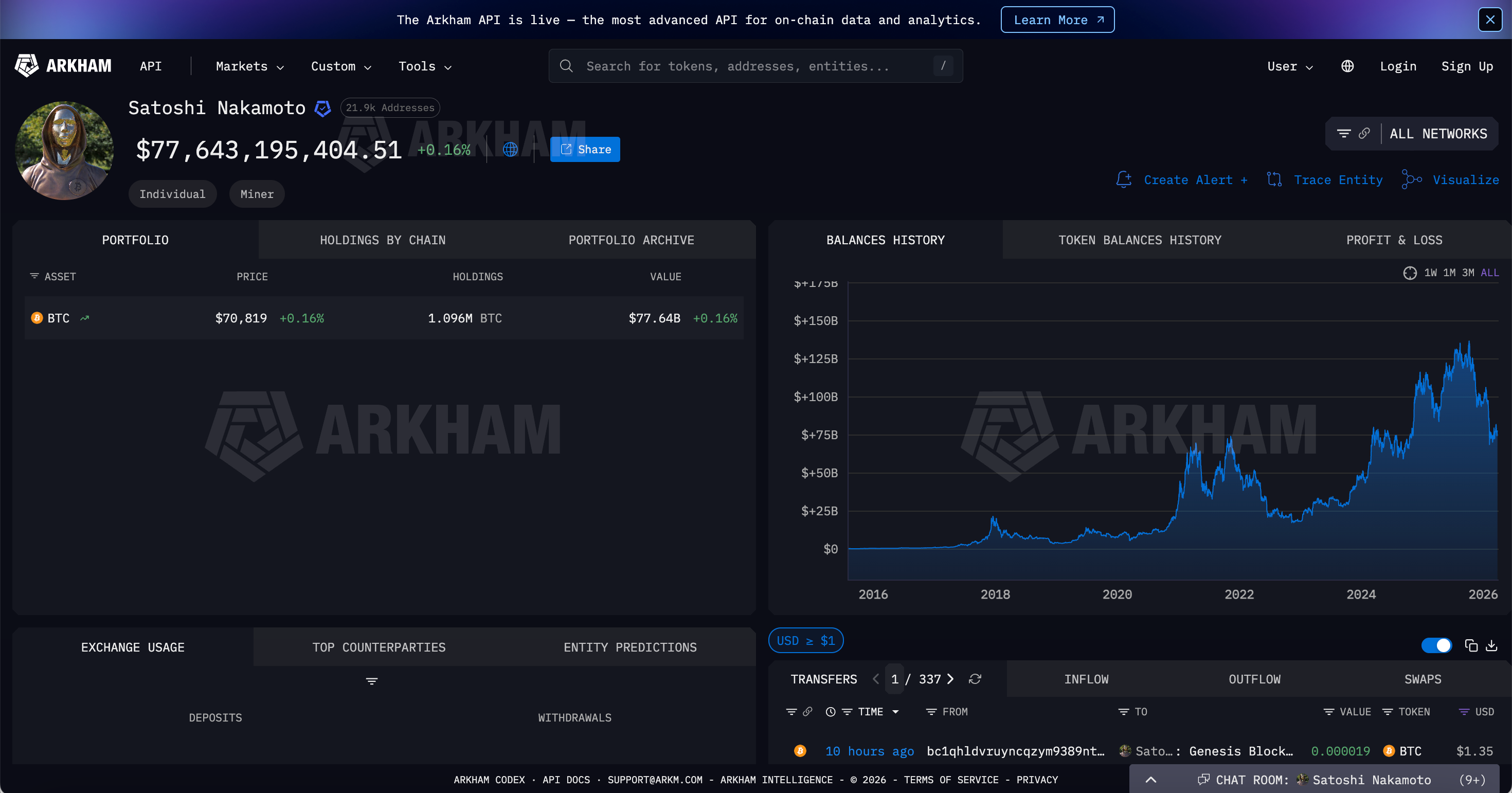
And there’s plenty more risks as you can imagine, all of which are very real risks!
But there are some genuinely smart people working on solutions. Quantum-safe cryptography is already a well studied field, and in 2024 the standards body NIST finalised its first quantum-resistant encryption algorithms.
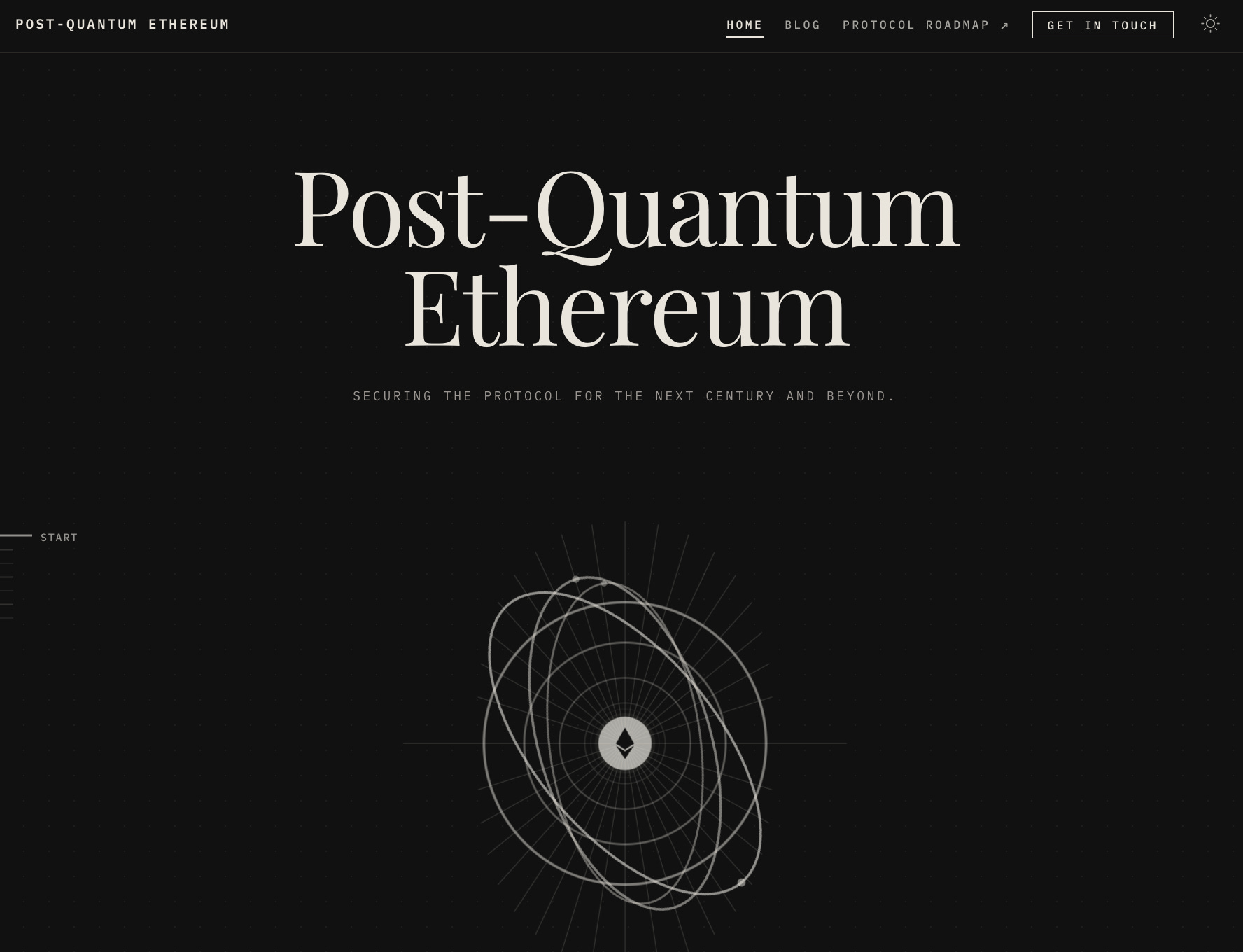
The Ethereum Foundation just this week launched pq.ethereum.org, a dedicated post-quantum research hub backed by a $2 million team, with a full roadmap for making the entire protocol quantum-safe.
There are also active discussions in the Bitcoin community around quantum-safe addresses where you could send your BTC over so that nobody could steal it.
There’s also an important game theory consideration here. Once someone clearly has a quantum computer and gets found using it, everyone else will know immediately. At that point the community can actively fork into quantum-safe encryption to protect assets and chains. There are trillions of dollars of incentive to make that happen fast!
Given that point, does it really make sense to be scared?
Should you be scared
Well, I’d say the answer here is not really.
Yes, quantum computing poses real threats and it’s an incredibly important topic to discuss and understand. But there are also many important points to consider.
Firstly, there is a lot of money on the line. Both in crypto, with all the different types of assets, and outside of crypto with encrypted data worldwide, nuclear codes, and everything else.
So while there are enormous resources going into making these computers real, there’s probably an equal or larger amount of resources being spent on making the internet and computers worldwide safe for when that day comes.
That’s not to say all systems will be quantum safe when the time comes, so we shouldn’t be complacent.
Satoshi’s coins for example pose a real question with no clean answer. Assuming he has passed away or disappeared, is it right to make a fork that destroys them forever? Or do we allow them to be taken by the first person who gets there with a quantum computer?
There’s even more complexity on other topics we haven’t covered here, and no doubt as quantum computing advances we’ll see more important discussions around it across different ecosystems and problems.
So now you know what quantum computing is, why it’s a legitimately interesting thing to be thinking about, and what the real risks are. Yet also that it’s not as scary as it might sound, and the big brains in the space are working hard to make sure it never disturbs crypto. Let’s hope they move fast enough so we stay quantum safe!

Whenever you’re ready, these are the main ways I can help you:
Want high returns? Earn up to 14% APY with Yieldseeker!
Love Web3 & AI insights? Follow @afoxinweb3 on X!
New to crypto? Join our beginners community to master crypto fast!
Building a Web3 app? Get our expert product development support!